
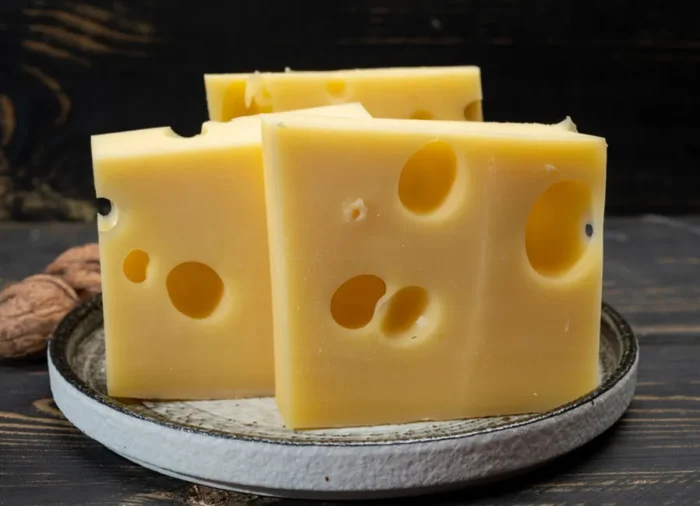
Gruyère cheese is known as one of the world’s most famous cheeses. Originating in the Swiss Alps, this special cheese draws attention with its rich aroma, holey structure, and long maturation process. In Anatolia, Gruyère is also produced with traditional methods and holds an important place in Turkish cheese-making culture. So what makes Gruyère cheese special, how is it produced, and what are its benefits? Here are the details.
What Is Gruyère Cheese?
Gruyère is a hard cheese made with cow milk and matured for a long time. Originally named after the town of Gruyères in Switzerland, this cheese has spread worldwide over the centuries. In Anatolia, similar cheeses are traditionally produced in regions such as Kars and Erzurum.
Characteristics of Gruyère Cheese
1. Structure and Aroma
A hard-textured cheese, Gruyère has an aromatic flavor. Its holey structure develops from the fermentation gases released during production and the long maturation period.
2. Maturation Process
Real Gruyère matures for at least 6 months, and some varieties may mature for as long as 2 years. This process deepens the flavor.
3. Color
Depending on the milk and production process, its color ranges from ivory-yellow to light gold.
4. Fat Content
Made from full-fat milk, Gruyère is rich in cream. This gives the cheese a rich mouthfeel.
How Is Gruyère Cheese Produced?
1. Milk Selection
Fresh cow milk is the base ingredient. The high quality of the milk directly affects the cheese’s flavor.
2. Rennet Addition
Natural rennet is added to the heated milk to enable coagulation.
3. Curd Formation
Rennet-coagulated milk turns into a solid mass. This mass is cut and stirred.
4. Salting
The curd is placed into molds and salted with rock salt. Salt supports the cheese’s flavor and preservation.
5. Pressing
Salted curds are put into cheese molds and pressed for hours. This gives the cheese its shape.
6. Maturation
The cheese is placed in special aging rooms. During this time, natural fermentation gases form the classic Gruyère holes. The maturation period lasts at least 6 months.
Uses of Gruyère Cheese
Its rich flavor makes Gruyère a staple in many recipes:
1. Fondue: Melted Gruyère is essential in classic Swiss fondue. 2. Sandwiches: Elevates the taste of gourmet sandwiches. 3. Pasta and Soups: Ideal for gratins and creamy soups. 4. Breakfast: A special option for breakfast tables. 5. Wine Pairings: Pairs beautifully with wine.
Health Benefits of Gruyère Cheese
1. Rich Source of Calcium
Its high calcium content supports bone and tooth health.
2. High-Quality Protein
Gruyère contains high-quality protein important for muscle and tissue repair.
3. Vitamins and Minerals
Rich in vitamin A, B2, B12, phosphorus, and zinc, supporting overall health.
4. Supports Digestive Health
During maturation, its lactose content decreases, making it safer for those with lactose intolerance.
5. Provides Energy
Its healthy fats supply high energy to the body.
Gruyère Cheese in Turkey
Gruyère is also traditionally produced in Türkiye. Especially in the Kars, Ardahan, and Erzurum regions, similar cheeses (known locally as Kaşar or aged Gruyère types) hold an important place. Turkish Gruyère cheeses, made from local milk with traditional methods, offer both delicious and healthy alternatives.
How to Store Gruyère Cheese?
1. In the Refrigerator: Wrap in wax paper and store in the fridge. 2. Preserve Aroma: Keep away from strong-smelling foods to protect its flavor. 3. Serving Temperature: Bring to room temperature for maximum flavor before serving.
How to Recognize Gruyère
1. Origin: Choose products with a clear origin. 2. Consistency: Should be hard and slightly grainy. 3. Holes: Look for the classic holed structure. 4. Aroma: Deep, aromatic scent is a sign of quality.
Gruyère cheese is a global flavor that leaves its mark on centuries-old tradition. Delighting palates with its rich taste, holey structure, and health benefits, it can be enjoyed with quality alternatives in Türkiye too. Naturally and traditionally produced Gruyère is a wonderful way to bring the world’s cheese heritage to your table.