
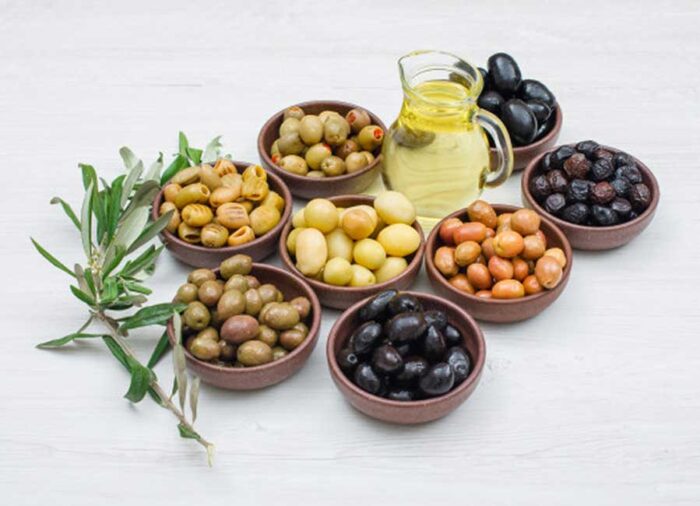
Olives are an indispensable part of Mediterranean cuisine and our culture. Widely used both on the table and in olive oil production, olives attract attention with their many different types. However, the question ” which is the best type of olive ?” can have different answers depending on the purpose of use and personal preferences. In this article, we will examine the popular olive types, their characteristics and which purpose they are more suitable for.
Differences Between Table and Oil Olives
Olives are generally divided into two categories: table olives and olives for oil. Table olives are prepared for direct consumption and are flavored with processes such as brine. Olives for oil are preferred for olive oil production. Some olive varieties may be suitable for both purposes.
After this distinction, let’s examine the prominent olive types and their characteristics in detail.
Olive Types According to Region of Cultivation
Gemlik Olive
Gemlik olives are grown in the Gemlik region of Turkey and are one of the first types that come to mind when talking about table olives.
- Features : It has a thin-skinned, fleshy and small-seeded structure.
- Taste : It has a sweet and soft taste.
- Area of Use : It is ideal especially for breakfast foods and salads. Due to its high oil content, it can sometimes be used in oil extraction.
Ayvalik Olive
type of olive, which is common in Ayvalık and its surroundings, is used both for table and oil production. However, it is mostly preferred for olive oil production.
- Features : It has a high oil content and is aromatic.
- Taste : It has a slightly fruity taste.
- Area of Use : Ideal for the production of quality olive oil.
Tomato Olive
Tomato olive is a type commonly grown in Izmir and its surroundings. It is generally known for its large-grained structure and use as a stuffing.
- Features : It has a large and fleshy structure.
- Taste : It has a slightly salty taste that is compatible with stuffing.
- Usage Area : It is known as stuffed olives and is flavored with various types of brine.
Memecik Olive
Memecik olives, common in the Aegean Region, are very valuable for olive oil production.
- Features : It is durable thanks to its high polyphenol content.
- Taste : It has an intense and aromatic taste.
- Area of Use : It is especially preferred in the production of gourmet olive oil.
Kalamata Olives
One of the most famous olive types in Greece, Kalamata is known for its deep purple color and almond-shaped structure.
- Features : It has a thick shell and a large structure.
- Taste : It has a slightly sour and rich aromatic taste.
- Area of Use : It is mostly preferred for table use and is in harmony with wine or cheese plates.
Edremit Olive (Oil Olive)
This species, grown in the Gulf of Edremit, is known for its olive oil quality.
- Features : Fruity and intense aroma.
- Taste : It has an aromatic and fresh taste.
- Area of Use : It is the raw material of the highest quality olive oil varieties.
Olives According to Processing and Preparation Methods
1. Pickled Olives
Pickling is a method of preparing olives by fermenting them in salt water (salt brine).
- How is it done? Ripe olives are kept in salt water to remove their bitterness and ferment.
- Features: It has a softer and moister texture. It may have a slightly sour taste because it is fermented.
- Advantages: Long-lasting and undergoes a natural fermentation process.
- In which varieties is it used? Generally, olive types such as Gemlik, Ayvalık and Domat are processed with the brine method.
2. Saddle Olive
The saddle method is a processing method in which the olives come into direct contact with salt and ripen by losing their moisture.
- How to do it? Olives are mixed with dry salt in large baskets or bags. Salt draws out the olives’ water and removes their bitterness.
- Features: Traditionally made Seleh olives usually have a salty flavor. However, less salty options can also be produced. Also, this salt may be less noticeable than others during consumption.
- Advantages: It lasts a long time thanks to its intense aroma and salty structure.
- In which varieties is it used? Generally, small and fleshy olive types are preferred, such as Gemlik and Halhali olives.
3. Roasted Olives
The turning method is generally used to ripen olives naturally and quickly.
- How to do it: Olives are mixed with dry salt in a bowl or bag and turned at regular intervals. During this process, the bitterness and moisture of the olives are reduced.
- Features: It may be less salty than Sele olives. The natural aroma of olives is at the forefront.
- Advantages: Can be prepared in less time.
- Which Types Is It Used For? It can be applied to various types of olives, but it is generally preferred for table olives.
4. Scratched Olives
The scratch method removes the bitterness more quickly by making small cuts on the olives.
- How to Make It: Ripe green olives are cut with knives or special machines and left in salt water.
- Features: Since it absorbs salt water more easily, its aroma is intense and balanced.
- Advantages: The scratching process ensures rapid ripening of the olives.
- In which species is it used? It is frequently used with large-grained olives such as Tomat and Sarı Ulak.
5. Crushed Olives
The cracking method is the process of preparing the olive by cracking its skin.
- How it’s made: Olives are lightly crushed with stones or special machines and then brined.
- Features: It becomes ready for consumption in a short time and the natural flavor of the olive becomes more pronounced.
- Advantages: Fermentation time is short and it is easy to sweeten.
- In which species is it used? It is generally preferred for green olives, especially tomato olives.
The Best Type of Olives
The best type of olives varies depending on personal preferences and the intended use. The flavors, oiliness and usage of olives vary. The best types of table olives vary depending on the preparation and processing method. Olives processed with the salt brine method generally gain an excellent taste with their round and fleshy structure. With this method, olives that are de-bittered become more delicious. Natural processing methods are carried out by placing the olives in water or alkaline solutions, which reduces bitterness and softens the taste of the olive. In addition, when preparing spicy or nutty olives , types with strong aromatic properties are preferred, which enriches the flavor of the olive. Each processing method affects the flavor of the olive and the purpose of consumption differently, so the most suitable olive type is selected according to the preferred processing method.